Regional Compliance Factors Shaping Portable Access to Hybrid Football Wagers and Table Game Bonuses in Emerging Markets
Freya Meier · Aug 30, 2026
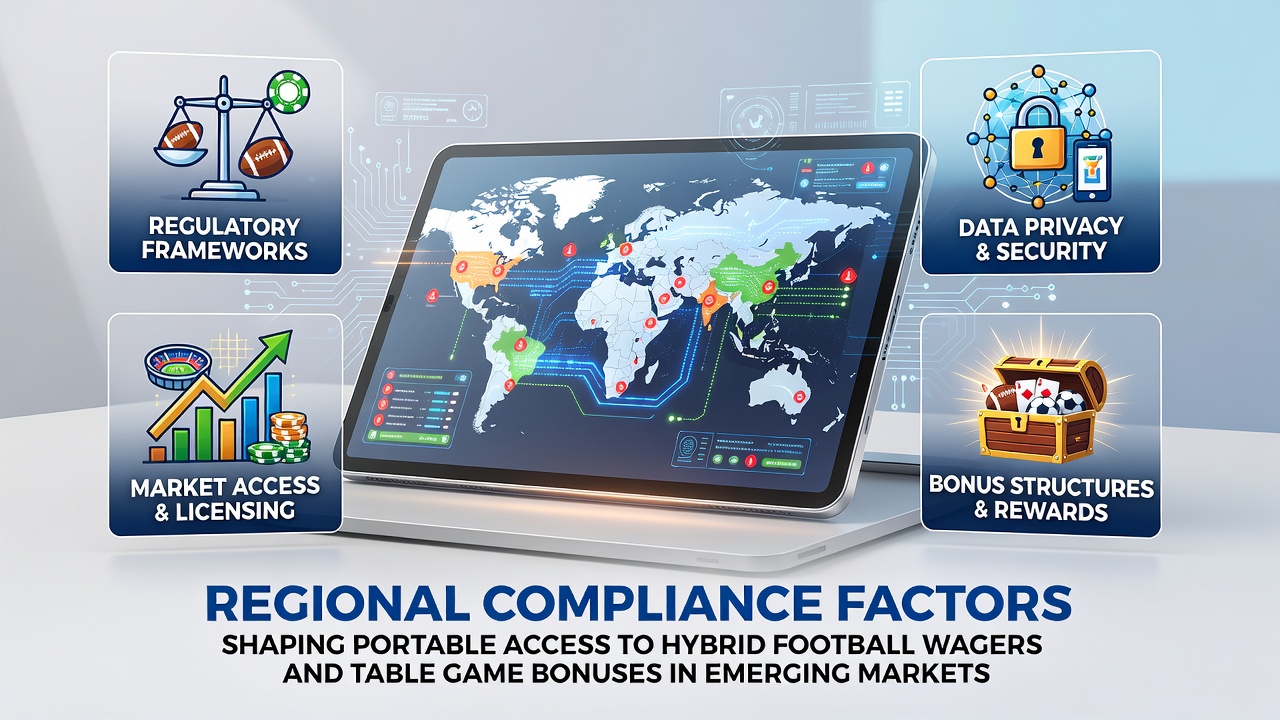
Regional Compliance Factors Shaping Portable Access to Hybrid Football Wagers and Table Game Bonuses in Emerging Markets
Emerging markets present a patchwork of licensing requirements and technical standards that directly influence how operators deliver hybrid football wagers alongside table game bonuses through mobile channels, and these rules continue to evolve as governments balance revenue collection with consumer protection measures. Data from regional economic reports indicate that portable access depends on compliance with local data localization mandates, payment gateway approvals, and age verification protocols that differ sharply across jurisdictions.
Latin American Regulatory Frameworks
Brazilian authorities have implemented phased licensing for sports betting platforms since 2023, requiring operators to maintain servers within national borders while allowing hybrid wager formats that combine football match outcomes with casino table game elements, and similar structures appear in Mexico where state-level approvals govern bonus promotions tied to mobile deposits. Researchers at regional universities note that operators must integrate real-time geolocation checks to prevent access from restricted zones, which adds layers of code that affect app performance on lower-bandwidth networks common in rural areas. Figures reveal that compliance costs have risen steadily, prompting some providers to partner with local payment processors rather than relying on international services that face higher scrutiny.
Asian Market Variations
India's state-by-state approach creates distinct hurdles for hybrid products because certain regions permit sports wagers but restrict casino bonuses, forcing developers to segment app features based on user location data collected at registration. In contrast, markets such as Vietnam apply uniform rules across digital channels yet demand that bonus terms appear in local languages and include clear wagering requirements before withdrawal, and these stipulations extend to football-related promotions that blend match betting with table game credits. Observers note that August 2026 marks the deadline for updated data protection alignment in several ASEAN countries, which will require additional encryption standards for user information stored during mobile sessions.
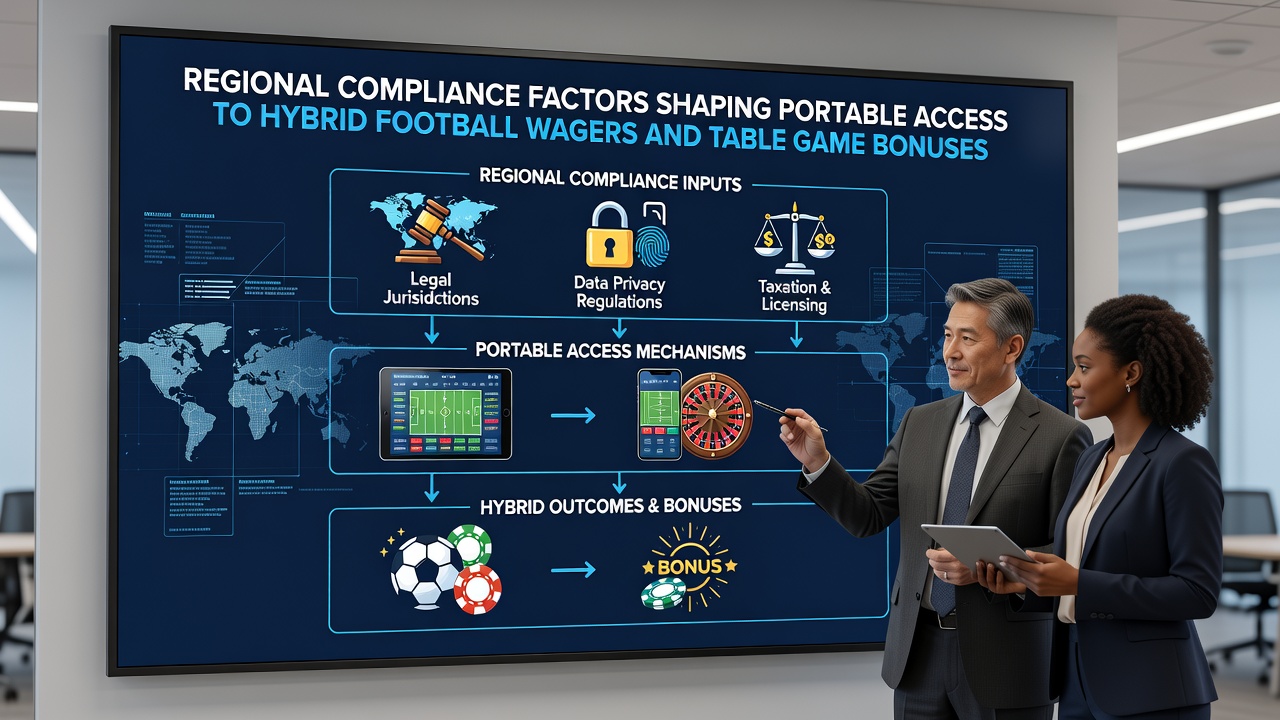
Payment method restrictions further shape access because many emerging economies limit cryptocurrency use while endorsing specific e-wallets that undergo central bank audits, and this narrows the options available for instant bonus claims tied to football accumulator bets. Industry reports from the European Gaming and Betting Association highlight parallel challenges in African jurisdictions where mobile money integration must satisfy anti-money laundering checks before hybrid wager settlement occurs.
African and Middle Eastern Considerations
Nigeria and Kenya have introduced licensing tiers that differentiate between pure sports betting and combined offerings, requiring separate approvals when table game bonuses accompany football wagers on the same platform, and these distinctions affect how operators structure promotional campaigns delivered via smartphone notifications. South African regulators emphasize responsible gambling tools that must appear within the first three interactions of any mobile session, including mandatory deposit limits that apply equally to hybrid and standalone products. A World Bank analysis of digital finance in sub-Saharan Africa shows that verification processes relying on national ID databases reduce onboarding friction yet demand robust API connections that smaller developers struggle to maintain across multiple regulatory environments.
Technical and Operational Impacts
Operators respond to these factors by building modular apps that activate or deactivate features according to detected jurisdiction, allowing seamless delivery of football wagers paired with table game incentives while remaining within legal boundaries, and this approach reduces the risk of service interruptions during routine compliance audits. Those who have studied implementation timelines observe that updates scheduled for August 2026 in select markets will introduce mandatory audit trails for bonus allocation algorithms, increasing the documentation burden on platforms that serve cross-border users. Evidence suggests that markets with clearer technical standards experience faster rollout of portable solutions, whereas fragmented rules slow adoption and raise operational expenses passed on through adjusted bonus structures.
Conclusion
Regional compliance elements continue to determine the scope and speed of portable access to hybrid football wagers and table game bonuses throughout emerging markets, with each jurisdiction layering distinct requirements on licensing, payments, verification, and promotional transparency. Data indicates that alignment with local standards remains essential for sustained operations, and ongoing regulatory shifts through 2026 will likely refine these parameters further as authorities monitor market growth alongside consumer safeguards.